 Skip to content
Education is one of the most powerful tools for protecting children and transforming communities. When a child sits in a classroom, they are not only learning how to read and write; they are also gaining confidence, life skills, and a sense of belonging that helps shield them from harm. For many children, especially those in vulnerable situations, school is the safest place they know. It can be the difference between a future filled with opportunities and one limited by poverty, exploitation, and fear.
At its core, child protection is about ensuring every child can grow up free from violence, neglect, and abuse. Education directly supports this goal by providing structure, supervision, and trusted adults who can notice when something is wrong. A teacher who understands child protection can identify signs of physical or emotional abuse, changes in behavior, or sudden absence from school and can alert the right services before the situation worsens. Regular attendance means there are more eyes on each child, making it harder for abuse and exploitation to remain hidden. In this way, schools become an early-warning system that can save lives.
Education also reduces the risks that children face outside the classroom. Children who stay in school are less likely to be pushed into harmful child labor, early marriage, or dangerous migration in search of work. When families see the value of education, they are more inclined to keep children, particularly girls, in school instead of marrying them off at a young age. Keeping girls in education is strongly linked to lower rates of early pregnancy, improved maternal health, and better outcomes for the next generation. For boys, remaining in school can reduce exposure to gangs, criminal activity, and hazardous work. Every additional year of schooling offers more protection against these risks.
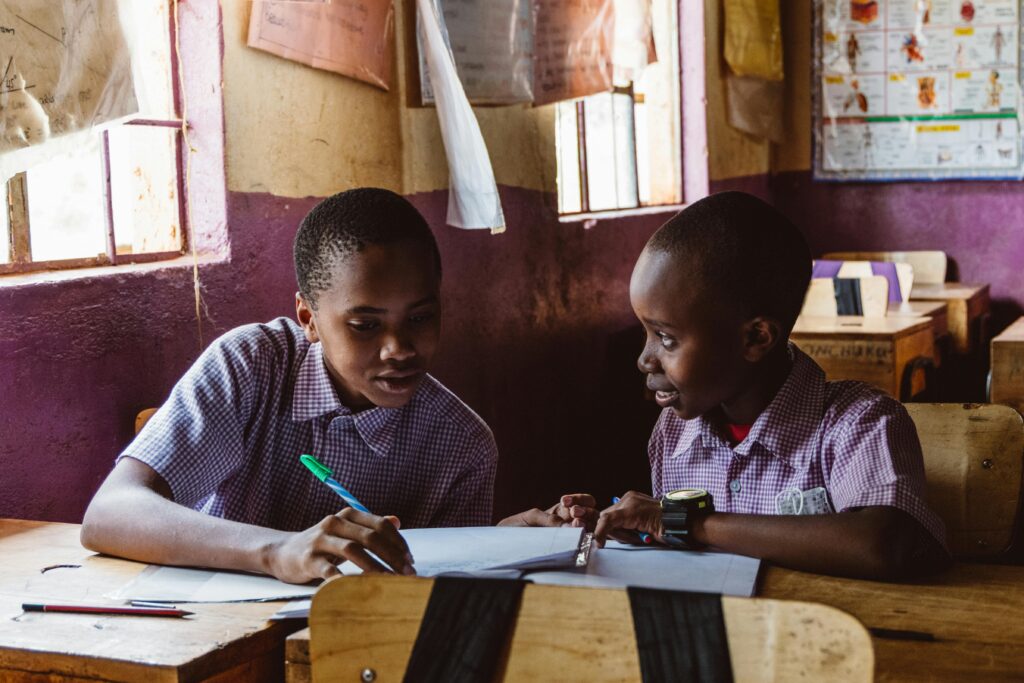
Beyond safety, education equips children with the knowledge and skills they need to protect themselves. Through age‑appropriate lessons, children can learn about their rights, body autonomy, healthy relationships, and how to seek help if they feel unsafe. When children understand that abuse is never their fault and that they have the right to say no, they are more likely to speak up and seek support. Education in life skills—such as communication, critical thinking, and decision‑making—helps children navigate peer pressure, online risks, and the challenges of adolescence. These skills stay with them long after they leave school.
Quality education goes hand in hand with emotional and social development. A supportive classroom gives children a chance to build friendships, learn empathy, and work through conflicts peacefully. For children who have experienced trauma, school can provide a sense of normalcy and hope. Caring teachers, counsellors, and mentors can help children process difficult experiences and rebuild their self‑esteem. When children feel valued and heard, they are less likely to internalize shame or blame and more likely to believe in their own potential. This emotional strengthening is a core part of long‑term protection.
Education is also a powerful weapon against inequality, which is often at the root of abuse and exploitation. Children from poor families, rural areas, minority groups, or with disabilities are frequently excluded from learning opportunities. This exclusion deepens their vulnerability, leaving them with fewer options and less power to resist harmful situations. Inclusive education—where schools adapt to different abilities, languages, and needs—helps level the playing field. When all children share the same classroom, they learn to respect each other’s differences, and harmful stereotypes begin to break down. Over time, this contributes to more just and cohesive communities.
For education to truly support child protection, schools themselves must be safe and nurturing. Unfortunately, some children experience bullying, corporal punishment, or sexual harassment within educational settings. This not only causes direct harm, but also sends the message that violence is normal. Building child‑safe schools means putting strong policies in place, training all staff on safeguarding, and establishing clear reporting channels that children can trust. It also means promoting positive discipline instead of physical or verbal abuse, and ensuring that no child is discriminated against because of gender, disability, or background. When children know that their school takes their safety seriously, they are more likely to stay, participate, and thrive.
The physical environment of the school also matters for protection. Safe buildings, clean water, private and gender‑separated toilets, and secure routes to and from school all contribute to a protective atmosphere. For girls in particular, access to safe, hygienic sanitation facilities can determine whether they continue attending school during adolescence. When basic needs like water and sanitation are met, children can focus on learning instead of worrying about embarrassment, illness, or danger. School feeding programs further enhance protection by ensuring children receive at least one nutritious meal a day, which can reduce hunger‑driven child labor and absenteeism.
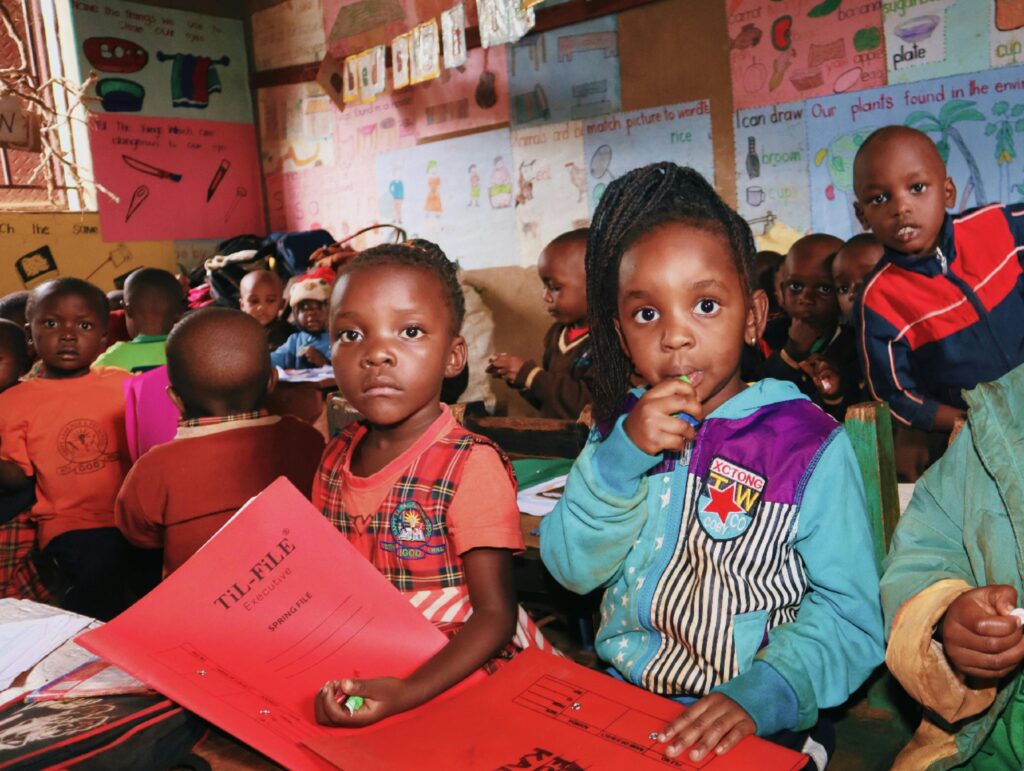
Education’s protective power extends beyond childhood. A young person who completes their schooling is more likely to secure decent work, support themselves legally, and participate actively in community decisions. They are better equipped to challenge harmful practices, advocate for children’s rights, and raise their own children in safer, more nurturing environments. In this way, education creates a cycle of protection: children who were once vulnerable grow into adults who know how to keep the next generation safe. Communities with higher levels of education tend to experience lower rates of violence, stronger institutions, and more resilient economies.
To harness the full protective potential of education, governments, schools, families, and communities must work together. This includes investing in teacher training on child protection, ensuring that school policies align with national child‑rights laws, and engaging parents so they see education as a shared responsibility, not just the school’s job. It also means listening to children themselves—inviting them to express their views on safety, inclusion, and the learning environment. When children are active participants rather than passive recipients, education becomes a partnership that respects their dignity and agency.
Ultimately, education is far more than a pathway to exams and certificates. It is a lifeline that can pull children away from danger, give them a voice, and open doors that might otherwise remain closed. When societies prioritize safe, inclusive, and high‑quality education for every child, they are not only investing in economic development, but also building a world where children can grow up protected, empowered, and ready to shape a better future
